26 Aug 2026
Regulatory Pathways Linking Swiss Licenses to Poker Variants and Sports Wagering Promotions
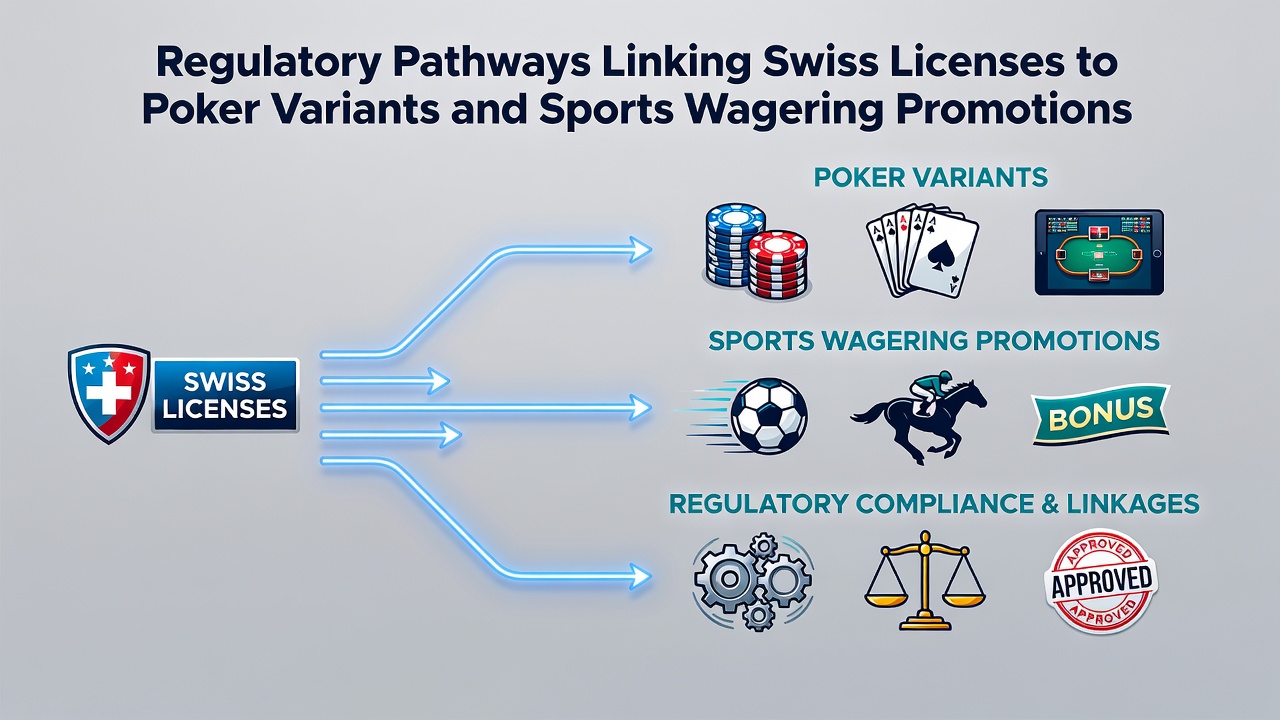
Swiss federal legislation establishes clear licensing routes that connect approved operators to specific poker variants and sports wagering promotions through structured authorization processes. The Gambling Act of 2019 created federal oversight for online casino activities while cantonal authorities handle certain betting formats and operators must meet technical and financial thresholds before offering any games or promotions to Swiss residents.
Federal Licensing Structures for Poker Operations
Operators seeking to offer poker variants apply through the Swiss Federal Council for a federal license that covers casino-style games including Texas Hold'em, Omaha, and Seven Card Stud under defined house rules and player protection measures. Data from the Federal Office of Justice indicates that approved platforms must integrate age verification systems and transaction monitoring tools that track gameplay patterns across these variants while separate provisions govern tournament structures versus cash game formats.
Connections Between Licenses and Sports Wagering Promotions
Sports wagering promotions fall under the same federal licensing umbrella when they appear alongside poker offerings yet cantonal bodies retain authority over certain fixed-odds bets and pool betting products. License holders must submit detailed promotion schedules that outline bonus structures, wagering requirements, and eligibility criteria before launch and regulators review these materials to confirm compliance with anti-money laundering standards and responsible gambling protocols.
According to reports from the Swiss Federal Gaming Board, operators route promotional offers through centralized compliance departments that document every incentive tied to poker play or sports event participation. This documentation process links license conditions directly to the mechanics of deposit matches, free bet credits, and loyalty rewards so that each promotion remains traceable to the original authorization.
Technical and Operational Requirements Across Variants
Regulatory pathways require that poker software undergoes independent testing for randomness and fairness before any variant reaches Swiss players and these tests extend to promotional features such as leaderboard bonuses or rakeback programs. Observers note that license conditions mandate real-time reporting interfaces that feed data on player activity into federal monitoring systems while separate audits examine how promotions influence game selection and session duration.
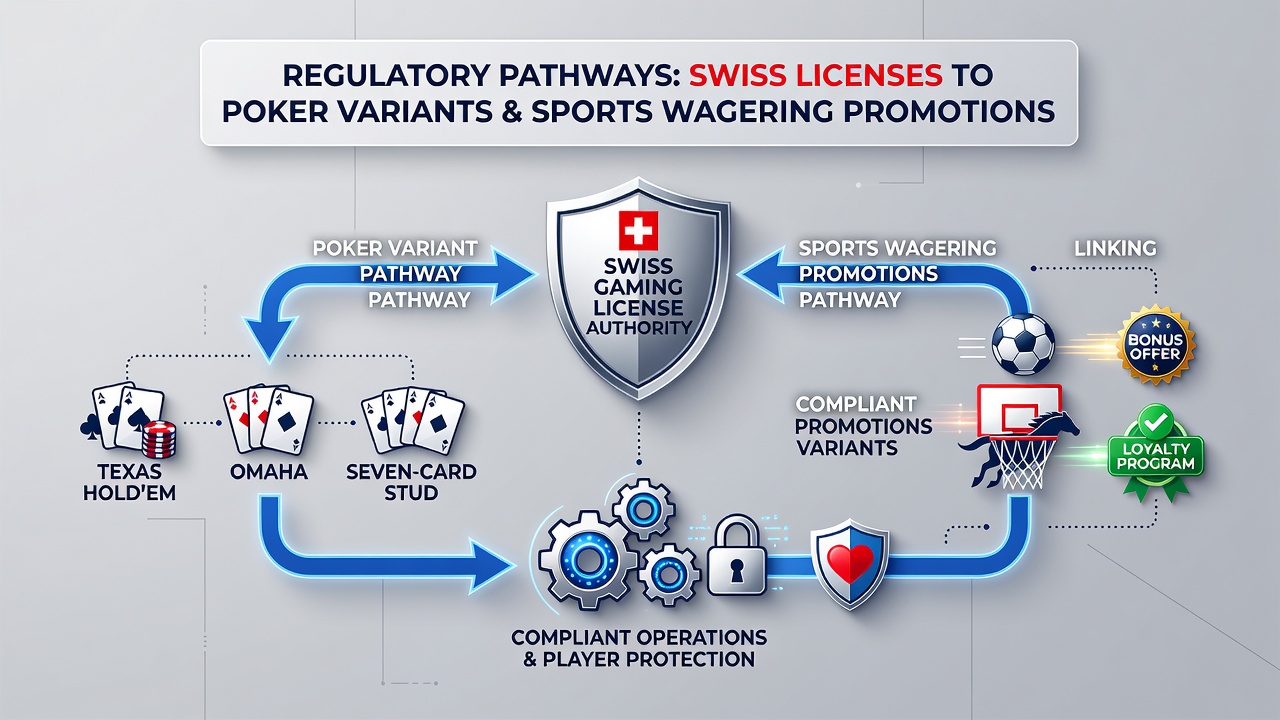
Research conducted by the European Gaming and Betting Association highlights how Swiss license holders coordinate with software providers to embed geo-blocking and self-exclusion tools that apply uniformly across poker variants and sports markets. These integrations ensure that promotional campaigns cannot bypass player safeguards even when operators launch time-limited offers tied to major sporting events or poker series.
Upcoming Adjustments Scheduled for August 2026
Regulatory updates planned for August 2026 will refine reporting obligations for cross-product promotions that combine poker play with sports wagering incentives and new guidelines will specify data formats for tracking player exposure across both categories. Federal authorities have circulated draft amendments that address emerging variants such as short-deck poker and mixed-game formats while tightening rules on bonus rollover conditions linked to live betting markets.
Those who track Swiss policy developments observe that the August 2026 timeline aligns with broader European efforts to standardize player data exchange and license holders are preparing updated compliance frameworks ahead of the deadline. Figures from the Federal Office of Justice project increased application volumes as operators seek to expand their approved variant lists and promotional toolkits under the revised provisions.
Case Examples of License Application Pathways
One documented case involved a licensed operator that secured federal approval for multiple poker variants before expanding into sports promotions through a supplementary application that demonstrated separate risk controls for each product line. Another example shows how a cantonal sports betting licensee partnered with a federally approved casino platform to offer combined promotions that required coordinated reporting to both regulatory layers.
Industry reports from Gambling Research Australia note similar multi-jurisdictional coordination patterns although Swiss pathways remain distinct because of the federal-cantonal division of authority. License conditions in each instance required explicit mapping of how promotions interact with game mechanics and player funds so that regulators could verify ongoing adherence.
Conclusion
Swiss regulatory pathways create direct linkages between license conditions and the operational details of poker variants alongside sports wagering promotions through mandatory compliance steps and reporting mechanisms. Federal and cantonal authorities maintain these connections via technical standards, audit processes, and scheduled policy refinements including those set for August 2026. Operators navigate these routes by submitting variant-specific documentation and promotion plans that satisfy both protection requirements and market access rules.